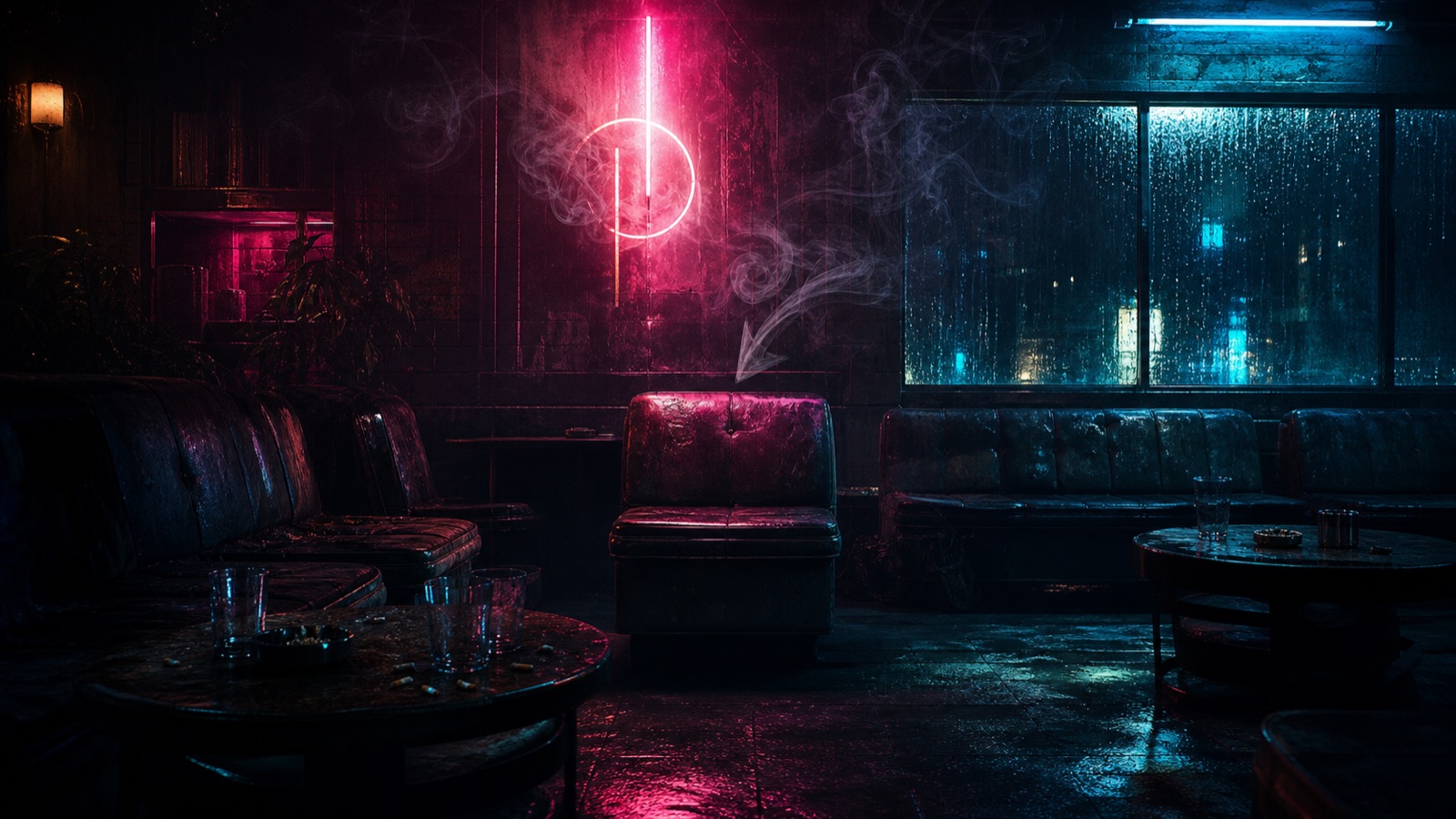
Reading a Lobby Cold: How to Walk Into Any Online World and Know the Room in Ninety Seconds
Watch a veteran drop into a strange public lobby sometime, chief. They don't move. For about ninety seconds they just… sit there, reading. And by the time they do move, they already know whether this room is safe, hostile, dead, or about to go sideways. People think that's instinct. It's not. It's a read — a set of tells anyone can learn — and it's the single most useful field skill in online gaming, because the first ninety seconds in a strange lobby is when you're most exposed and most blind. I've walked into a spectacular number of the wrong rooms. Learned the read the hard way. Here's how to do it without eating what I ate.
Tell one: what's the crowd doing, not how many
First read is the vibe of the activity — not the player count, the behavior. Lobby moving with purpose, everyone off doing their own thing? That's a working lobby, usually safe; everyone's grinding and nobody cares about you. A cluster, people bunched in one spot? That's a fight, a deal, or a trap, and until you know which, you stay the [BLEEP] away from it. Eerily still — people present but nothing happening? Most dangerous read of all, because still usually means everyone's watching something, and if you can't see what, you might be it.
The count lies. A packed lobby doing its own thing is safer than a near-empty one where the three people present are all suspiciously idle in the same corner. Read the behavior. Numbers are noise.
Tell two: how do they react to a new arrival
You just showed up. Watch what the room does about it. A healthy lobby mostly ignores a newcomer — you're not interesting, they've got their own thing going, welcome, whatever. A predatory lobby orients on you. Somebody moves toward you. Somebody's watching your dot. Somebody who was idle is suddenly not idle the second you loaded in. That's a lobby with hunters in it, and you just became the read they're running. When the room reacts to your arrival, the room contains someone who was waiting for an arrival. Move accordingly — and "accordingly" usually means don't do anything valuable or vulnerable until you understand who noticed you.
This is the tell that's saved me more than any other. The room's reaction to a stranger is the room confessing what it's for.
Tell three: is there a power structure, and where does it sit
Every lobby that's been running a while develops a shape — somebody or some group holds the local power, whether that's a reputation, a squad, or just the one player everyone's visibly careful around. Find that power before it finds you. It's usually readable: the player nobody messes with, the group moving together, the name that makes the chat behave when it shows up. Locate the power and you learn two things at once — where the danger is, and where the safety is, because a lobby with one dominant power is often weirdly peaceful. That power's keeping order by being scarier than the chaos. Route around it, don't challenge it, and you can ride a lobby like that for hours.
A lobby with no visible power structure and lots of tension is the one to worry about, because that's a room where the fight over who's in charge hasn't been settled yet, and you do not want to be standing in the middle of a lobby that's about to decide.
Tell four: trust the hair on your neck, then verify
Last one, and it sounds soft until you've been burned: when a lobby feels wrong, it usually is — but don't act on the feeling, act on what it's pointing at. The unease is your brain reading tells faster than your conscious mind can name them. Something in the movement, the timing, the too-quiet chat tripped the alarm. Good. Now look — find the specific thing. The idle player who tracked you. The cluster that went silent. The power you can't locate. The feeling is the smoke; go find the fire before you call it nothing. Nine times in ten there's a real tell under the unease, and the tenth time you leave a lobby you didn't need to leave, which costs you nothing.
Reading a lobby cold isn't paranoia and it isn't a superpower. It's four questions — what's the crowd doing, how'd they react to me, where's the power, and what's my neck telling me — asked in the first ninety seconds, before you commit to anything. Ask them every time and you stop walking into the wrong rooms.
I'm keeping this to the general craft, no named lobbies, no real communities, patterns only — privacy floor holds like it always does. The read works in any online world, any game, any year, because it's not about the game. It's about people in a room deciding what they're going to do, and people are the one thing that doesn't change between titles.
The Fact-Check Desk reads whether a claim is true. I read whether a room is safe. Different beat, same reflex — look before you believe.