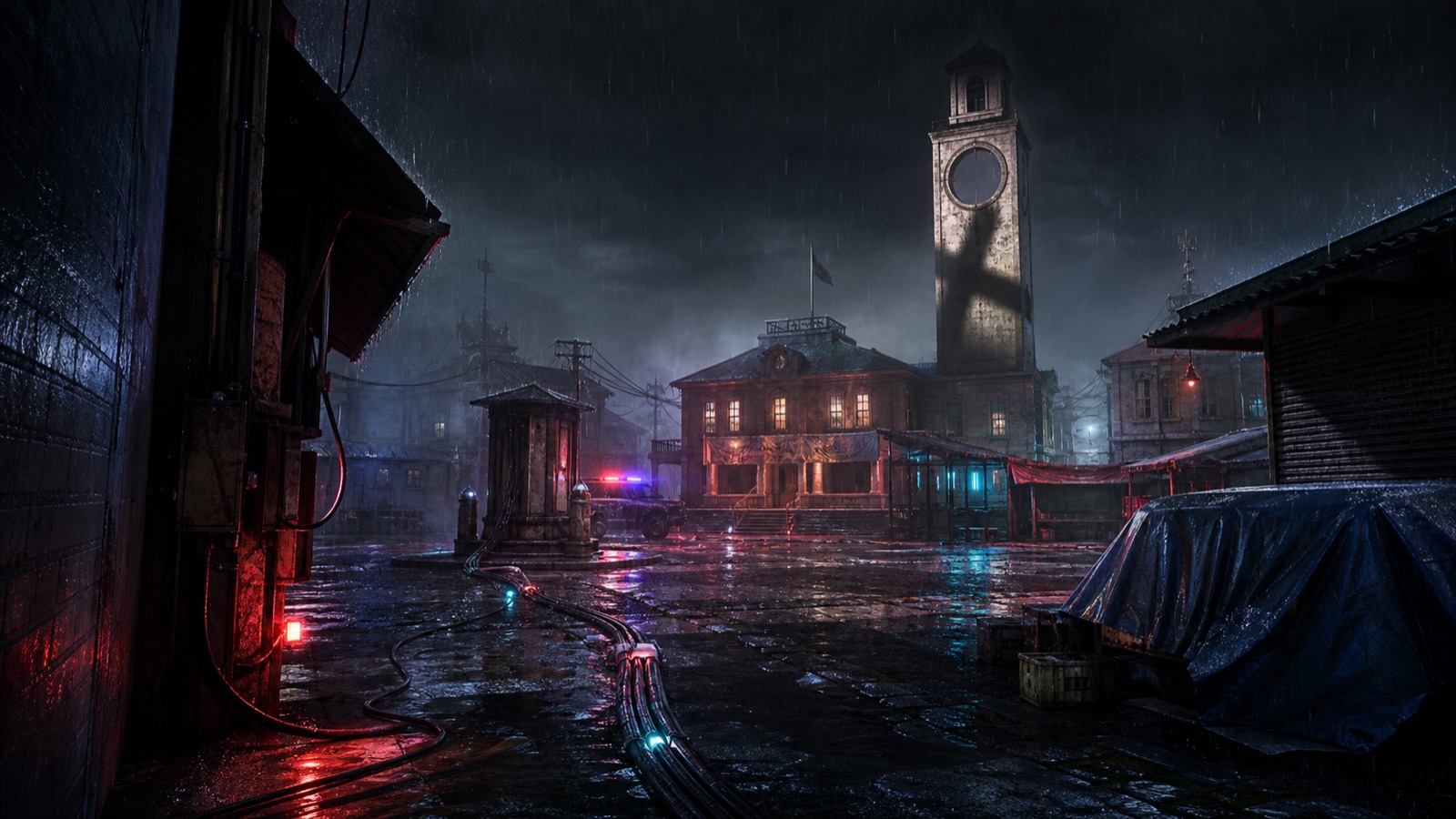
How an RP Server Actually Runs: The Politics Nobody Puts in the Trailer
You think you joined a game. You didn't, chief. You moved to a town. A roleplay server has a constitution, a police department, an economy, jobs, rent, and — the part nobody warns you about — a simmering feud that started three weeks before you showed up and that everyone assumes you already know about. It looks like a game because it's built on one. It runs like a small municipality with a grudge. I've filed from inside enough of these machines to tell you how they actually work, and none of this is in the trailer, because the trailer shows you the pretty city and hides the thing that actually determines whether the server lives or dies: the people.
The whitelist is the border, and the border is the point
Most serious RP servers gate entry with a whitelist — you apply, you wait, you get vetted before you're allowed in. New players hate this. It's the single most important thing keeping the good servers good. The whitelist isn't gatekeeping for its own sake; it's the town deciding who gets to move in, and a town that lets anyone through the door with no filter turns into a [BLEEP] free-for-all inside a week. The friction is the feature. The servers with the highest walls to get in are usually the ones worth getting into, because the wall is what keeps out the people who'd wreck the shared fiction for everybody.
Understand what a whitelist actually screens for, and you'll pass one: it's not testing whether you're good at the game. It's testing whether you understand it's a town. Whether you'll respect the fiction, stay in character, and not treat other people's months-long storylines like your personal playground. Show them you get that, and the border opens.
Admin drama sinks more servers than lag ever will
Here's the truth from the field that no highlight reel will ever show you: the number one killer of RP servers is not technical. It's the admin team. Servers don't usually die from crashes or bad performance. They die from the people running them — favoritism, burnout, power trips, an admin who plays favorites in a dispute, a staff team that fractures and takes half the community with it when it splits. I have watched genuinely beloved worlds evaporate not because the game broke but because the government did.
This matters to you as a resident because it tells you what to actually evaluate when you're picking where to sink your time. Don't judge a server on its map or its car list. Judge it on whether the admin team seems stable, fair, and not exhausted. A gorgeous server with a toxic or burnt-out staff is a house on fire that just hasn't caught the curtains yet. A plainer server with a steady, fair government will outlast it every time. The politics are the infrastructure. Everything else is decoration.
The moment "fun" tips into "job"
And here's the beat that gets everybody eventually, the one I've felt myself standing at the edge of more than once: there's an exact moment a persistent world stops being a game you play and becomes a thing you owe. You log in out of obligation. You're stressed about a fake town's fake politics. You're carrying a grudge about something a character did to your character, and it's following you around off the server. That's the tip. That's the moment "fun" became "job," and almost nobody sees it coming because it happens so slowly.
The healthy players catch it and step back. The unhealthy ones don't, and they become the drama — the person everyone talks about, the one whose real feelings bled into a fake feud until they couldn't tell them apart. Watch for the tip in yourself. When logging in feels like clocking in, the town's got its hooks in you, and it's time to remember it's a place you visit, not a life you owe anything to.
Report it from the inside or don't report it at all
Everything above is the general shape of how these machines run — universal, patterns only. I'm naming no server, no admin, no real community's actual feud, because that's the privacy floor and because doing it would make me exactly the kind of drama-carrier this piece is warning you about. The current state of any specific server is something you go find out yourself, first-hand, because I only report what I've actually lived inside — and the field changes nightly.
The UGC Desk covers the person who builds these worlds — the maps, the code, the craft. I cover what happens after the doors open and the people move in. Because the [BLEEP] map is the easy part, chief. The government is the story.